


Bonding
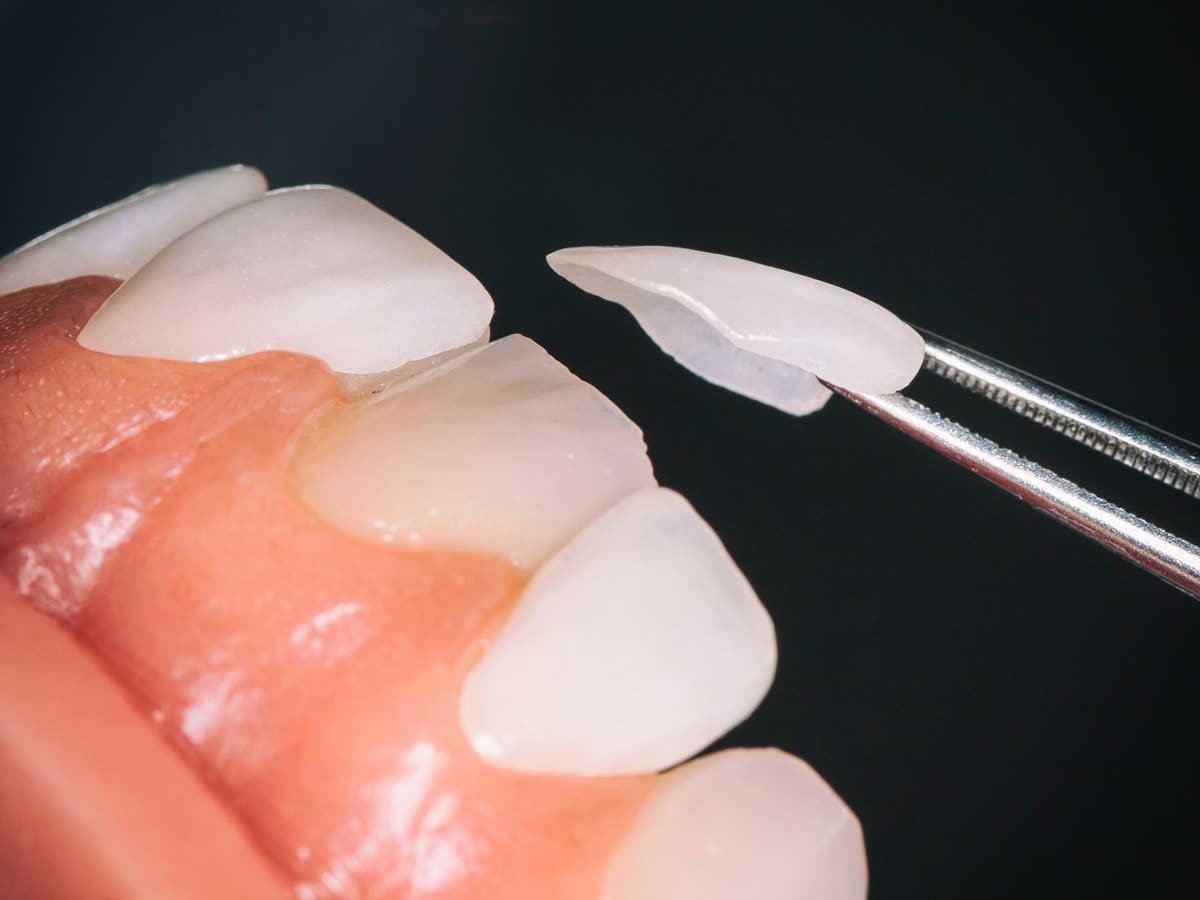
A chipped front tooth rebuilt in one visit with tooth-coloured composite.
Cedre Shopping Centre · Dubai Healthcare City
+971 55 556 6703
drdoaa@theperfectioninsmile.com
Bonding
Tooth-coloured composite, sculpted by hand and matched to the teeth around it.
About the treatment
Tooth-coloured composite is applied to the tooth, sculpted into shape and hardened with a light so it bonds to the tooth. It is shaded and polished to match its neighbours, so the result looks natural.
Compared with a veneer or a crown, bonding removes less enamel and usually needs no anaesthesia. The material is not as strong and does not last as long, so Dr. Doaa will advise whether bonding, a veneer or a crown suits your tooth best.
Why patients choose it
Real patient
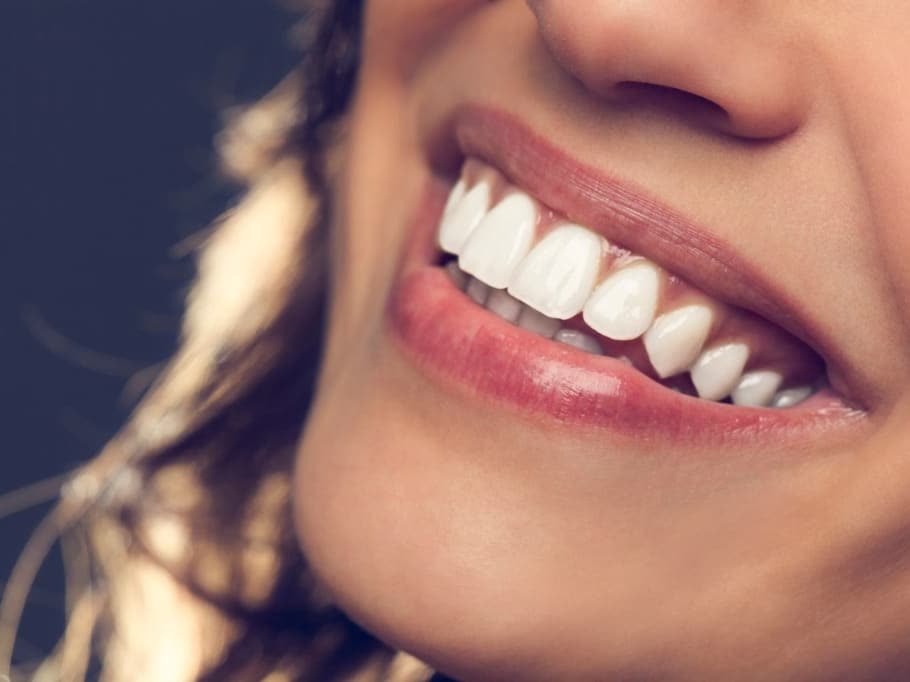
A chipped front tooth rebuilt in one visit with tooth-coloured composite.
Questions
Anything else on your mind? Ask Dr. Doaa at your consultation, or write to us.
It depends on the tooth. Bonding is the most conservative, while veneers and crowns are stronger and last longer. Dr. Doaa examines the tooth and recommends what suits it best.
Generally not. Little or no enamel is removed, so anaesthesia is usually not required.
Composite is not as strong as porcelain and does not last as long as a veneer or crown, but it can be repaired or redone easily.
Related treatments